Please ensure Javascript is enabled for purposes of website accessibility Leather Driver and Rigger Gloves - ANSI Certified - RX Safety

Leather Driver and Rigger Gloves

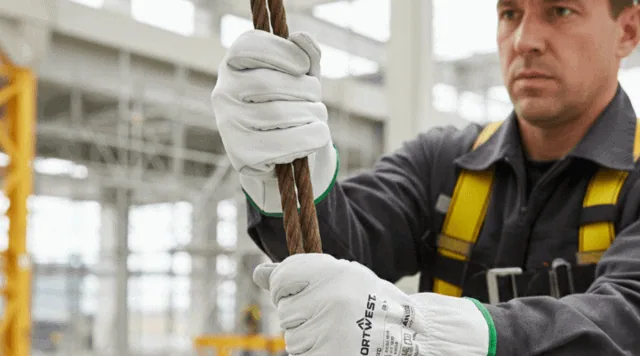
Whether you’re dragging a cable through mud at 2 AM or wrestling a snapped chain off a subframe, your hands take the worst of it. Tow truck operators, crane riggers, oil and gas workers, and heavy recovery specialists know all too well that most work gloves are built for light duty, not the brutal conditions of rigging and recovery work.

Wire rope burrs — those razor-sharp “meat hooks” that slice through cheap materials like paper — are brutal. There are other hazards to think about, too: pinch points between shackles and load binders, oil-slicked chains that turn your grip into a liability, and the constant friction of handling heavy rigging gear for hours on end.

In these environments, professional-grade rigging and tow truck gloves are non-negotiable. RX-Safety’s gloves are engineered with reinforcement in the high-wear zones: the thumb saddle and the palm. Materials such as synthetic leather offer the suppleness of traditional leather with greater resistance to oil and abrasion. Silicone-grip patterns create traction on wet or greasy surfaces, while TPR (thermoplastic rubber) overlays on the knuckles and fingers protect you from impacts when a hook swings back or a shackle shifts unexpectedly.

Workplace safety and efficiency rely on a strong grip. Tired hands lose dexterity, increasing the risk of accidents. Quality leather driver gloves and rigger gloves help you maintain your grip and reduce hand fatigue.

When selecting gloves, cuff style is more significant than you might think. Riggers often prefer slip-on designs for quick removal, while tow drivers favor Velcro closures that keep road debris out and hold the gloves in place.

ANSI abrasion level is equally important. Handling rough cables and wire rope requires abrasion resistance of Level 4 or higher to prevent premature wear and failure.

Equip yourself with professional-grade rigging gloves built to withstand the pull. Browse our selection of tow-rated hand protection below.

Frequently Asked Questions

Impact-rated gloves meet ANSI/ISEA 138 standards, which test how well TPR or other protective materials absorb and dissipate energy across the back of the hand.

For towing and rigging, where swinging hardware and pinch points are constant hazards, impact protection significantly reduces the risk of crush injuries that standard gloves can’t prevent.

Wire rope burrs require high abrasion resistance rather than puncture resistance. While no glove is completely puncture-proof against sharp metal shards, our rigger gloves use multiple layers of synthetic leather and reinforced palms to resist the sawing action of cable burrs. Puncture resistance helps, but abrasion level is your main defense against meat hooks.

Quality rigging and tow truck gloves use synthetic materials and textured grip patterns specifically designed to maintain traction when exposed to oils, hydraulic fluids, and grease.

The silicone or rubberized palm patterns create a mechanical grip that remains effective even when lubricated, unlike smooth leather, which becomes dangerous when oily.

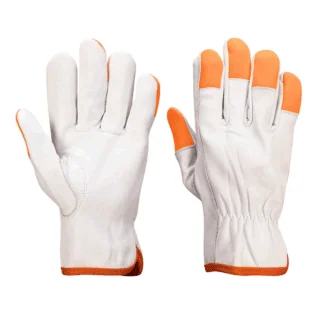
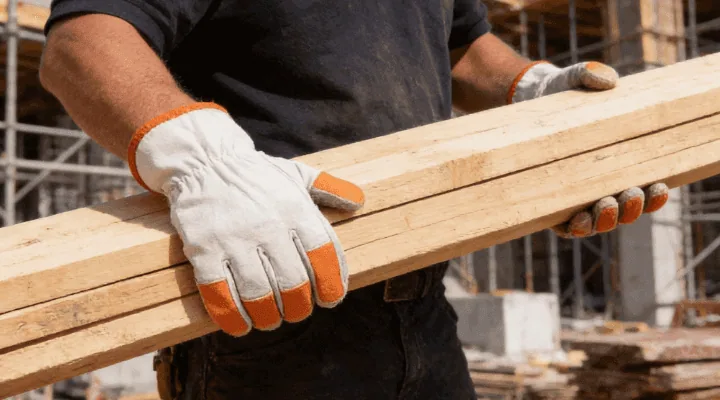
Yes! Several glove styles in our line include high-visibility backs in lime yellow or orange. This is essential for tow drivers working on roadsides where passing traffic poses a serious threat.

These hi-vis safety gloves meet ANSI visibility standards for increased conspicuity.

Most synthetic leather gloves can be hand-washed with mild soap and warm water, then air-dried away from direct heat. Avoid machine washing or harsh solvents, as they can break down protective coatings and grip patterns.

Professional rigging gloves balance protection with dexterity. Pre-curved finger designs and articulated knuckle sections give you fine motor control for manipulating hitch pins, carabiners, and hand tools without removing your gloves.

Rigger gloves focus on heavy abrasion resistance, reinforced palms for cable handling, and often include impact protection. Mechanic’s gloves are designed for fine dexterity and a precise grip on tools, with less emphasis on durability against sustained friction from wire rope and chains.

If you care for them properly, quality rigger gloves typically last two to four months of daily professional use, depending on the job’s particular tasks and conditions.

Heavy cable work shortens the lifespan of gloves. Rotating between multiple pairs extends their durability.

Category Highlights

Impact Protection and Pinch Points

The backs of your hands are constantly exposed to impact. The TPR exoskeletons on these safety gloves shield your knuckles and fingers, absorbing energy without sacrificing the flexibility you need to manipulate a U-hook or operate a winch controller.

This protective “armor” distributes impact force across the surface rather than concentrating it at a single point. This reduces the risk of crushed fingers or fractured knuckles.

Our Blog

Stay on top of the latest news about prescription safety glasses, eyewear, sunglasses, and all the trends in the industry.

DISCOVER NOW

Sign up for our Newsletter

Be the first one to know about promotion, new products, and more.