











































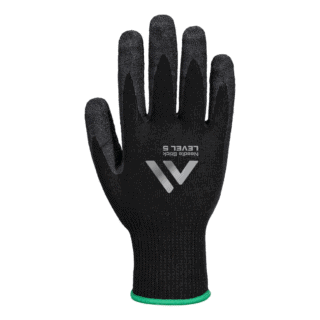

Needle-resistant gloves are tested under ASTM F2878, which measures resistance to 25-gauge hypodermic needles, common in medical and correctional environments. This differs from ANSI/ISEA 105 puncture ratings, which test against blunt probes. A glove can have excellent puncture resistance against nails yet fail against a syringe needle’s fine, beveled point. Ratings range from Level 1 to Level 5.
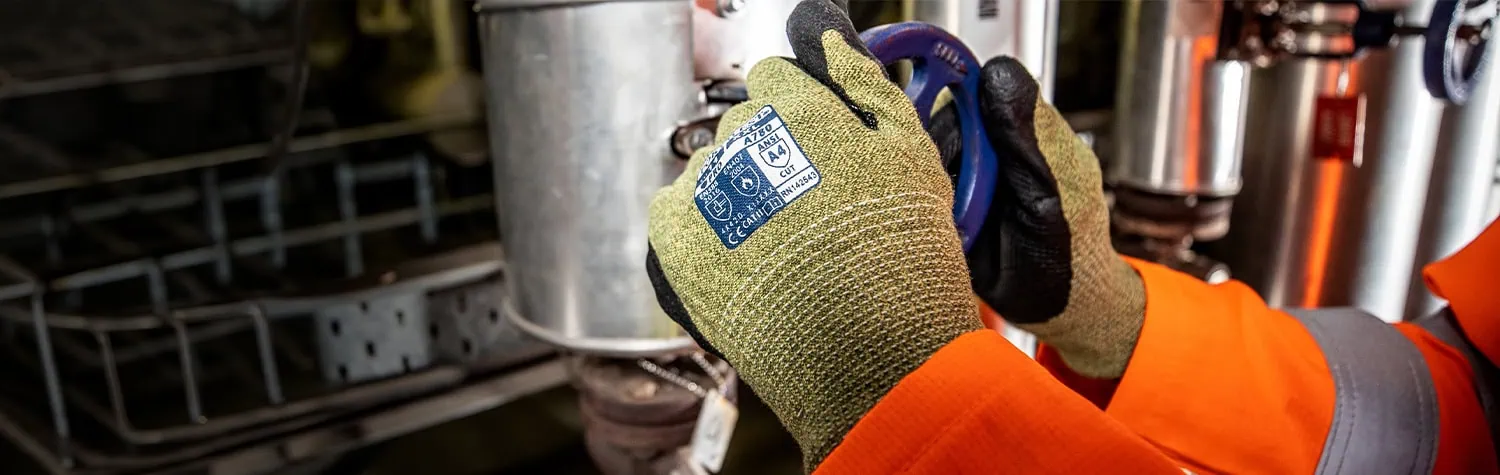
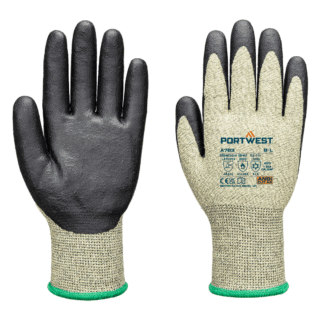
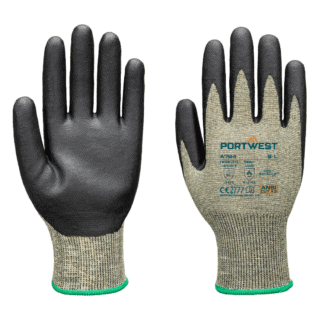
Arc flash gloves must meet NFPA 70E and ASTM F1506 standards, with protection measured in ATPV (Arc Thermal Performance Value): the incident energy level at which fabric has a 50% probability of causing a second-degree burn. This value, measured in calories per square centimeter (cal/cm²), corresponds to Hazard Risk Category (HRC) levels. An HRC 2 task might require 8 cal/cm² rated gloves, while HRC 4 work needs 40+ cal/cm². These gloves use inherently flame-resistant materials that maintain protective integrity after repeated washing.
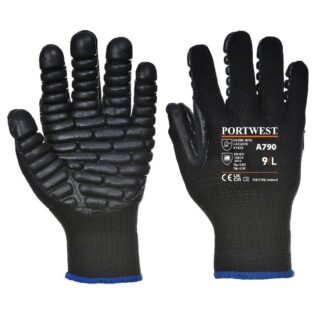
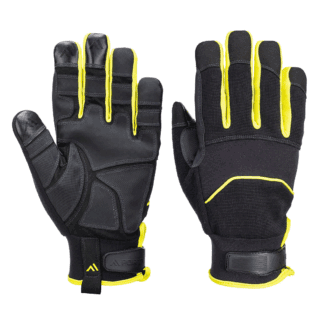
Anti-vibration gloves are evaluated under ISO 10819, which measures vibration transmissibility across HAVS-causing frequencies. Effective anti-vibration gloves reduce vibration in the critical 25-200 Hz range where power tools operate, using viscoelastic polymers that convert mechanical energy into heat and dampen vibration rather than padding against it.


