When comparing lens materials, Trivex and polycarbonate are known for their strength and impact resistance, but they differ in certain aspects.
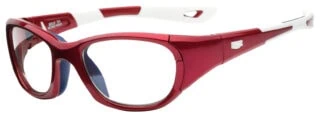
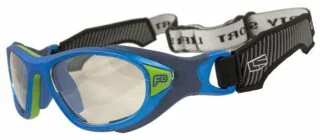
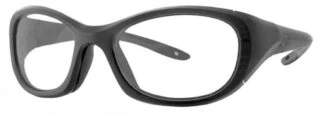
Polycarbonate lenses have been popular for many years due to their durability and impact resistance. They are highly resistant to shattering and are commonly used in safety glasses and sports eyewear. Polycarbonate lenses are approximately ten times more impact-resistant than regular plastic lenses. They are a good option for individuals involved in high-impact activities or requiring added protection.
On the other hand, Trivex lenses are a newer material that offers similar impact resistance to polycarbonate lenses but with additional benefits. Trivex lenses have a higher Abbe value, providing better optical clarity and less chromatic aberration than polycarbonate lenses. Chromatic aberration refers to the distortion of colors at the edges of the lenses, which can affect visual acuity. Trivex lenses also have a slightly lower specific gravity than polycarbonate lenses, making them slightly lighter.
When it comes to the strength of the material itself, both Trivex and polycarbonate are strong and impact-resistant. However, the choice between the two may depend on prescription strength, lens thickness, desired optical quality, and personal preference.
In summary, while Trivex and polycarbonate lenses offer excellent strength and impact resistance, Trivex lenses provide better optical clarity and less chromatic aberration. On the other hand, polycarbonate lenses have been a longstanding choice for impact protection and are suitable for high-impact activities.