Choosing the right eyeglass frames isn’t just about style. The type of frame you choose can directly affect which lenses and prescriptions will work for you. If you’re planning to buy prescription glasses online, understanding the differences between frame types can help you avoid limitations and make a smarter decision.
Eyeglass frames can be categorized in many ways, but when it comes to prescription compatibility, a few technical factors matter most:
Frame curvature
Lens size
Lens mounting style
These elements determine whether your prescription can be properly fitted into a frame. Many customers only discover these limitations after choosing a frame they like, which can lead to frustration. Knowing what works in advance makes the process much smoother.
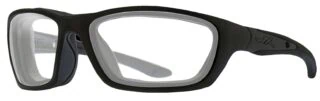
Wraparound (Curved) Frames
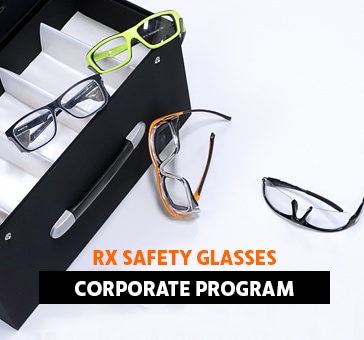
Wraparound frames are commonly used for sports and safety glasses because they provide extra coverage and protection. However, their curved design limits the types of prescriptions they can support.
In most cases, these frames work best for prescriptions within a moderate range. Stronger prescriptions may not be compatible without specialized lenses.
Typical limitations include:
Sphere outside the range of -5.00 to +3.00
Cylinder outside the range of -2.00 to +2.00
While exceptions do exist, wraparound frames are generally not ideal for high prescriptions.
Drill Mount (Rimless) Frames
Drill mount frames, also known as rimless frames, create a clean and lightweight look by attaching the arms and bridge directly to the lenses.
This design affects lens compatibility. Glass lenses cannot be used, and standard plastic lenses are less durable in this setup. Polycarbonate is usually the best choice because it offers better strength and impact resistance.
These frames are a great option if you prioritize a minimalist style, but they require careful lens selection.
Semi-Rimless Frames
Semi-rimless frames support the lens from the top while leaving the bottom exposed. They offer a modern, professional appearance and are a popular middle ground between full-rim and rimless styles.
Like rimless frames, they are not compatible with glass lenses. However, they work well with:
Polycarbonate lenses
Most plastic lens materials
They are slightly less durable than full-rim frames but still suitable for everyday use.
Large Lens Frames and Fit Considerations
Frames with larger lenses can create challenges that are often overlooked during the selection process. One of the most important factors here is pupillary distance (PD), which affects how well lenses align with your eyes.
This becomes especially important for:
Progressive lenses
Bifocal lenses
In some cases, larger frames may not work well for people with smaller PD measurements. Additionally, certain high-index lens materials may not be available for oversized frames, which can limit your options.
Wraparound Semi-Rimless Frames
Frames that combine wraparound curvature with a semi-rimless design are among the most complex options available. These require advanced lens edging technology, which increases both cost and production difficulty.
Because of this, they often come with stricter prescription limitations and higher pricing. While they are useful for specialized purposes like sports or safety eyewear, they are not always the most practical choice for everyday glasses.
How to Choose the Right Frame for Your Prescription
Before selecting a frame, it’s important to consider a few key factors that influence compatibility:
The type of lenses you need (single vision, bifocal, progressive)
Your preferred lens material
Taking these into account early in the process can help you avoid choosing a frame that won’t work for your needs.
Final Thoughts on Eyeglass Frame Types
Understanding the differences between eyeglass frame types can make buying prescription glasses online much easier. While style is important, compatibility should always come first.
Optical technology continues to improve, but some limitations still exist. Being aware of them helps you make a more informed decision and ensures your glasses will work as expected.
Need Help Choosing the Right Frame?
If you’re unsure whether a frame will work with your prescription, it’s always best to check before placing your order. This simple step can save time and prevent disappointment.
If you need guidance, feel free to reach out. Choosing the right frame is easier when you have the right information.