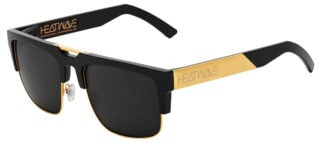

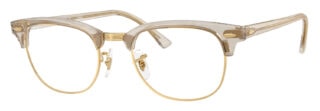
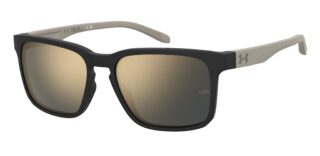




Do blue blocking lenses have to be sunglasses? Quite simply, the answer is no.
When we think of blue blocking lenses, we think of sunglasses because we all know that blue light is part of the natural light spectrum and there is a great risk when we are exposed to it from the sun. However, there are some benefits to the sun’s blue light exposure.
Natural blue light:
Aids in the production of vitamins
Enhances attention and reaction time
Plays a role in psychological well-being
These benefits do not mean we stop wearing sunglasses. Exposure to too much natural blue light can still cause eye damage. Blue light has a very short wavelength and is visible to the human eye. It is the only wavelength that penetrates the cornea. Once that happens, it directly hits the retina, which is the focusing screen of the eye. Blue light doesn’t focus on the retina as other colors do, therefore problems can occur. So, wearing a good pair of sunglasses with a high percentage of blue light blockage will protect the eyes from excessive exposure and subsequent damage whenever we work or play outside.
Many companies are now making eyeglasses with blue blocking filtered lenses. These lenses provide added protection against blue light because in today’s world, powerful blue light exposure does not come from the sun, but from our electronic devices. The biggest culprits of exposure are cell phones, tablets, laptops, and computers.

Unlike the TV, which is normally viewed from a distance, these devices are viewed close to our faces, intensifying blue light exposure to our eyes. A pigment at the back of the eye provides some protection, but it works best in daylight. It becomes short-lived after sundown when blue light exposure is heightened by use of our electronic devices.
Excessive blue light exposure can lead to several eye and health problems, including age-related macular degeneration in the form of photo-oxidation, insomnia, Dry Eye Syndrome, tired eyes, and digital eye strain. For those who are at risk for age-related macular degeneration, the combination of oxygen and high intensity blue light increases the risk and may speed up the loss of eyesight.
Receptors within our eyes are sensitive to blue light. These receptors, along with the sleep-regulating hormone melatonin, tell the body when it is day or night. This is known as circadian rhythm. Intense exposure to blue light disturbs the circadian rhythm. Our bodies become confused, wanting to stay awake and be alert at night, so we suffer from insomnia. Lack of sleep can escalate a variety of health problems that include hypertension, obesity, and depression.
LED and Xenon light bulbs are also transgressors of intense blue light exposure. These light bulbs put out a higher proportion of blue light than old traditional light bulbs. Some manufacturers of LED bulbs offer a “warm white” product that gives off less blue light than the “cool white” product, and it is the better choice when purchasing light bulbs.
Exposure to blue light from electronic devices can be greatly reduced by turning them off at least one hour before bedtime. Although it is best to keep all electronics out of the bedroom, devices with smaller screens radiate far less blue light, so they are a better option if using them for alarm clocks.
RX Safety offers Clear lenses with Blue Blocker, designed to filter blue light emitted from digital screens such as computers, tablets, and smartphones. These clear lenses help reduce potential retinal stress caused by prolonged screen exposure while remaining comfortable for everyday use. By minimizing blue light exposure, they can help decrease digital eye strain, eye fatigue, and discomfort often associated with extended screen time, making them an excellent option for individuals who spend long hours on digital devices and want reliable blue light protection without tinted lenses.
In addition to clear blue light filtering lenses, RX Safety also offers an AR with Blue Blocker coating, which combines traditional anti-reflective (AR) technology with added protection against blue light from digital screens. This coating reduces glare and reflections while filtering potentially harmful blue light, helping make screen use more comfortable throughout the day. By minimizing digital eye strain and helping reduce disruptions to the body’s circadian rhythm, AR with Blue Blocker provides a practical solution for clearer vision and enhanced eye protection whether for work or everyday digital device use.
For information on the latest in eyeglass technology and for popular brands and styles in eyeglasses and sunglasses, contact us. We will be delighted to help you.

Stay on top of the latest news about prescription safety glasses, eyewear, sunglasses, and all the trends in the industry.
DISCOVER NOWBe the first one to know about promotion, new products, and more.
Follow Us On Instagram @rx_safety