





When using personal protective equipment or PPE at a workplace, it’s really about protecting workers from the potential hazards of the job site. Whether it’s radiological, chemical, or physical, having the PPE program to specifically protect against the combination of hazards is crucial.
A PPE program should include what’s necessary on the worksite and when and how to properly wear the PPE equipment at all times. PPE doesn’t mean it will protect against everything, so knowing the limitations is also a key area. Finally, as part of understanding PPE, it’s good to know how to take care of equipment and when to throw them away. This ensures that the PPE equipment is working in an optimal setting.
Work Gloves are an excellent example of PPE that should be part of a construction site or heavy equipment platform. Nearly a million people are heading to the ER annually for their hands due to a work-related injury, and most of the time, it’s because they are not wearing protective working gloves. The medical costs are typically in the thousands to tens of thousands, depending on the severity of the injury to the hand. Having the right type of gloves for construction workers doesn’t have to be difficult or expensive.
Let’s break down the main types of safety gloves construction workers should consider.
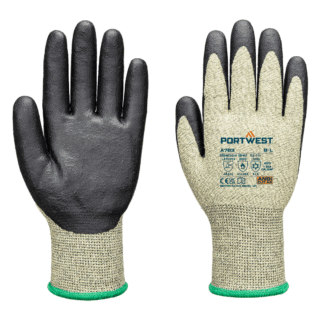
Construction sites involve handling sharp materials such as metal, glass, rebar, drywall studs, and sheet materials. Cut-resistant gloves are designed with high-performance fibers that help protect against lacerations and abrasions while maintaining dexterity.
Welding gloves are made from durable leather and designed to withstand high temperatures, sparks, and molten metal exposure.
These gloves provide both heat resistance and forearm protection, depending on the cuff style.
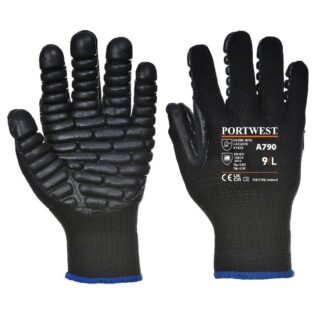
Impact gloves are built with reinforced padding and thermoplastic rubber (TPR) protection across the knuckles and back of the hand. They’re designed to absorb shock and protect against crush injuries.
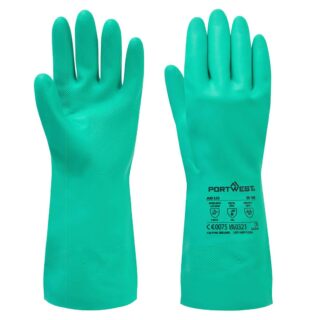
For jobs involving chemicals, adhesives, paints, solvents, or general cleanup, nitrile gloves provide excellent chemical resistance and disposable convenience.
They are latex-free and resistant to punctures compared to standard latex gloves.
Tactical gloves are a durable option for construction workers who need both protection and flexibility. Originally designed for military and law enforcement use, these gloves are built to handle tough environments while maintaining grip and dexterity.
For heavier exposure to hazardous substances, chemical-resistant gloves provide thicker, more durable protection than disposable nitrile gloves.
Always ensure the glove material matches the chemical hazard.
For construction workers involved in electrical work or handling sensitive electronic components, ESD (Electrostatic Discharge) gloves help prevent static buildup that could damage equipment.
General handling gloves are a versatile option for everyday construction tasks. Designed for comfort, flexibility, and light-to-moderate protection, these gloves are ideal for jobs that require grip and dexterity without heavy impact or cut resistance.
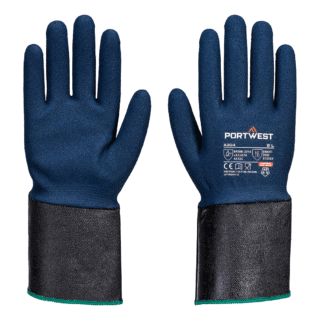
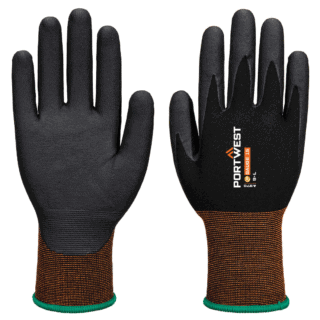
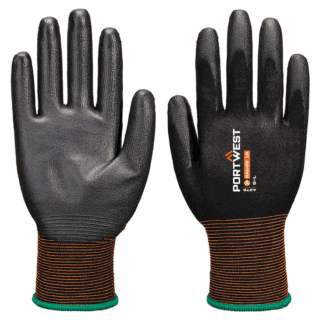
Grip gloves are designed with textured coatings (such as nitrile or latex palm coatings) to improve handling, especially in wet or oily conditions.
Improved grip reduces dropped materials and hand fatigue.
Classic leather gloves remain a construction staple. Driver gloves offer flexibility and comfort, while rigger gloves provide additional reinforcement and durability.
They provide durability and moderate abrasion resistance.
Certain construction environments may require tactical-style gloves or specialty gloves for niche applications, including reinforced palms, vibration resistance, or enhanced dexterity.
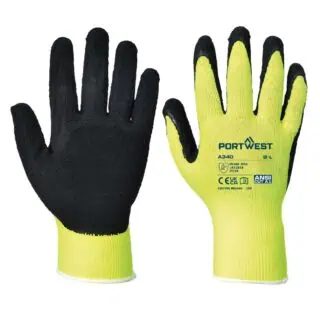
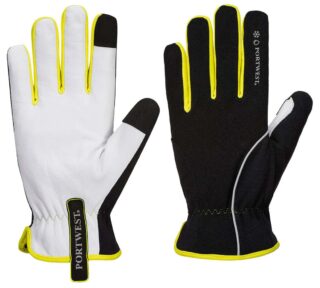
Cold environments can reduce hand dexterity and increase injury risk. Thermal gloves provide insulation while maintaining flexibility.
Keeping hands warm improves both safety and productivity.
There is no single “best” glove for all construction work. The right choice depends on:
Outfitting a job site with the correct glove categories ensures better safety outcomes and helps reduce preventable hand injuries.
If you’re unsure which gloves are right for your application, our team at RX Safety is happy to help guide you toward the best option for your specific job site needs.

Stay on top of the latest news about prescription safety glasses, eyewear, sunglasses, and all the trends in the industry.
DISCOVER NOWBe the first one to know about promotion, new products, and more.
Follow Us On Instagram @rx_safety