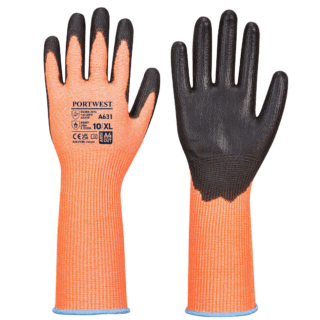
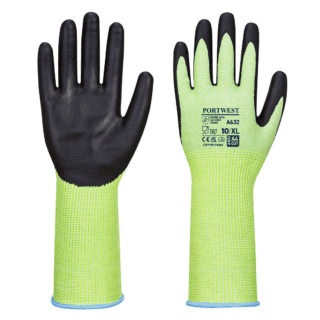
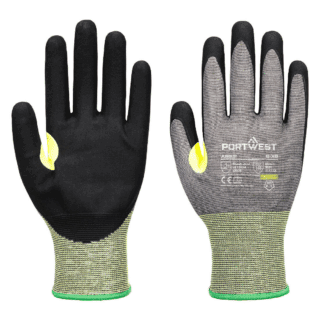

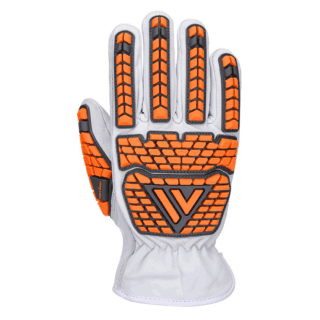
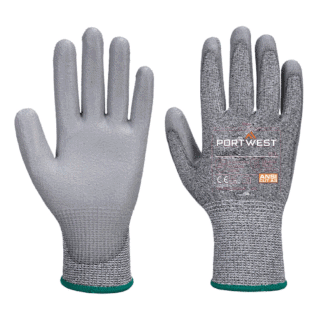


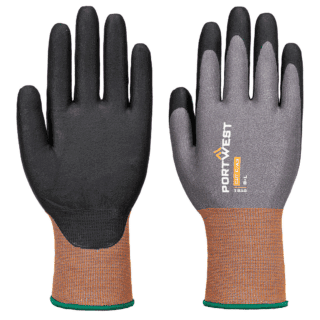
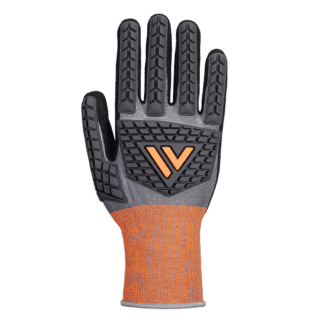

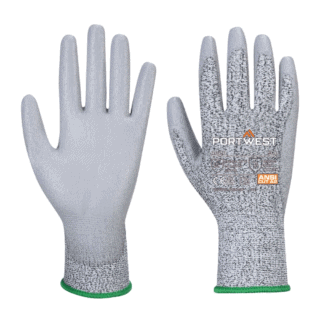

If you’ve ever shopped for safety gloves, you’ve probably noticed labels like A2, A4, and A9. These ratings indicate the level of cut resistance each glove provides, helping you choose the right protection for your tasks.
Gloves with too little cut resistance can leave your hands vulnerable to injury, while gloves with too much can reduce dexterity and make routine tasks harder. If you’re looking for ANSI cut levels explained, you’re in the right place. This guide covers everything you need to know to find the right pair.
ANSI/ISEA 105 is the American National Standard for hand and arm protection, designed to help workers in industrial settings choose gloves with the appropriate cut resistance.
Employers may require gloves that meet a specific ANSI/ISEA 105 rating to ensure safety on the job. The scale runs from A1, offering the lowest cut protection, up to A9, which provides the highest level of resistance.
These levels are determined through the TDM-100 test. It involves pressing a straight blade into the glove material and increasing the weight until the blade cuts through. The more force the glove can withstand before cutting, the higher its ANSI cut rating.
The ANSI/ISEA 105 cut rating you need depends on how you plan to use them. In general, you can choose from cut ratings that provide light, medium, or heavy protection. We explore when to use each below.

Gloves from A1 to A3 protect forces ranging from 200 grams to 1,499 grams. They are thin and flexible, offering high dexterity for precise tasks. Light-duty gloves are commonly used for:
The key hazards that these gloves protect against are paper cuts, minor scrapes, and skin damage from friction. If the risks that you face in the workplace go beyond this, then you’ll most likely need a heavier-duty safety glove.

Gloves at this level protect from force between 1,500 and 3,999 grams. They feel heavier than light-duty gloves, but are still comfortable to wear for extended sessions. This makes them a “sweet spot” option for many workers and the best gloves for handling sheet metal and glass.
Some of the real-world tasks people complete in medium-duty safety gloves include:
These gloves can protect you from hazards like sliced metal, broken glass, and utility knife slips. But you’ll need to go one level higher in the cut resistance chart if the risks you face at work extend beyond this.

Heavy or extreme safety gloves offer protection against forces ranging from 4,000 to 6,000+ grams. They are thicker and denser than lower-rated gloves and can feel stiffer, though modern materials are improving flexibility without sacrificing protection.
People use heavy-duty safety gloves for tasks like:
These gloves provide maximum protection against high-force blade contact and life-altering lacerations. They’re the best option if you work with tools or machinery that can make deep cuts.
If you work in a different setting with varying hazards, it might be tempting to buy a single high-level A9 glove for all tasks. While this seems like a convenient way to save money, it isn’t always the safest choice.
Higher cut-resistance gloves tend to be bulkier and stiffer, which can make them less comfortable. When gloves are cumbersome, employees are more likely to remove them during lower-risk tasks, leaving their hands unprotected.
For example, if you give a warehouse worker A9 gloves, they may have to take them off to use a scanner gun or tape. That leaves them more exposed to cutting injuries. Ultimately, the best glove is the one you will actually wear, so you may want to invest in multiple pairs to stay safe.
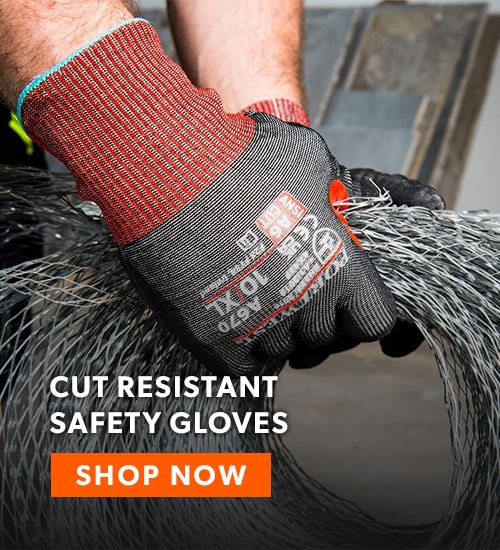
As you shop, you might see gloves labeled with codes like 4X43C or 3X42D. These are measurements on the European EN 388 standard, which uses a different method for testing cut resistance. EN 388 ratings can be helpful, but ANSI cut levels are where you should focus. They provide the most relevant and consistent comparison for U.S. workplaces.
Before you buy, consider the materials you handle and how often your hands are exposed to sharp edges. Check with your employer if a specific ANSI rating is required. When you’re ready to buy, RX-Safety makes it easy with a wide online selection from the top manufacturers. Browse our safety gloves today to find the right ANSI-rated fit for your needs.
Stay on top of the latest news about prescription safety glasses, eyewear, sunglasses, and all the trends in the industry.
DISCOVER NOWBe the first one to know about promotion, new products, and more.
Follow Us On Instagram @rx_safety