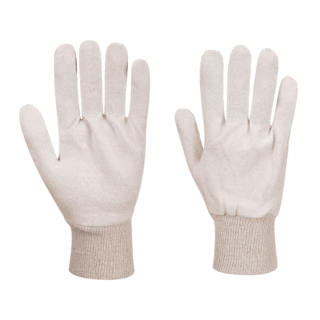
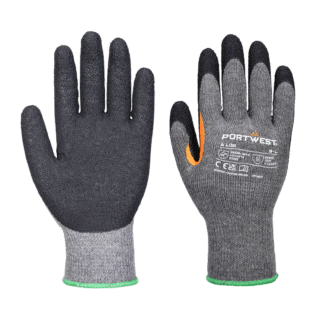
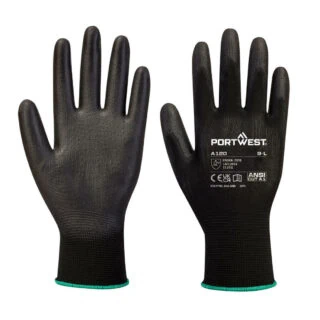
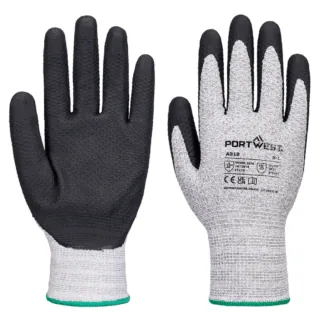
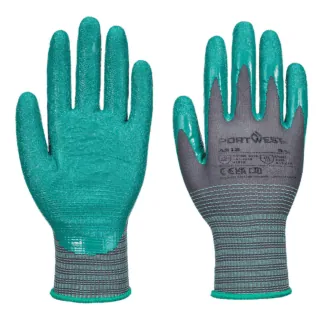
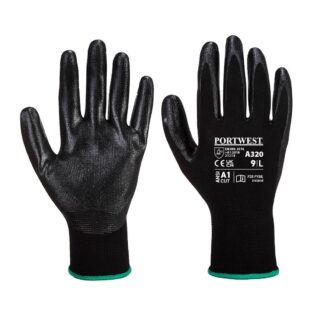
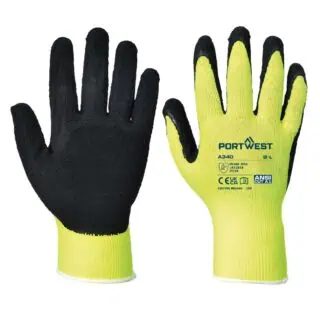
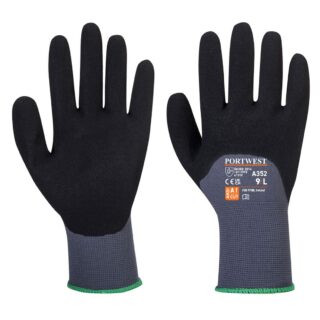
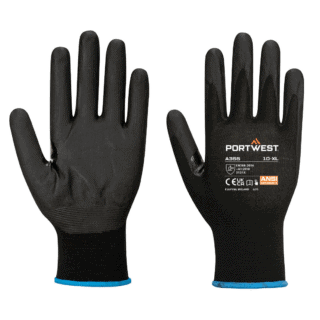
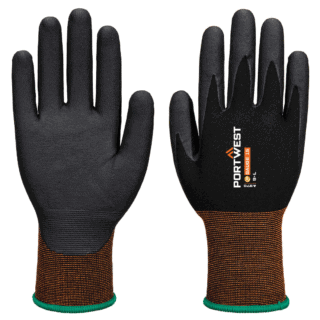
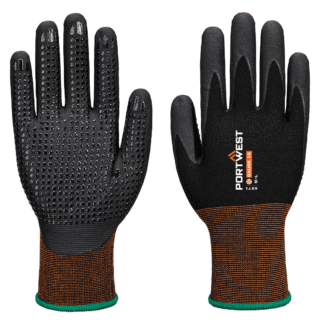
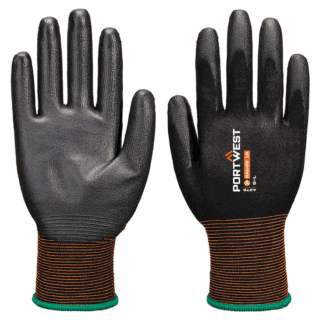
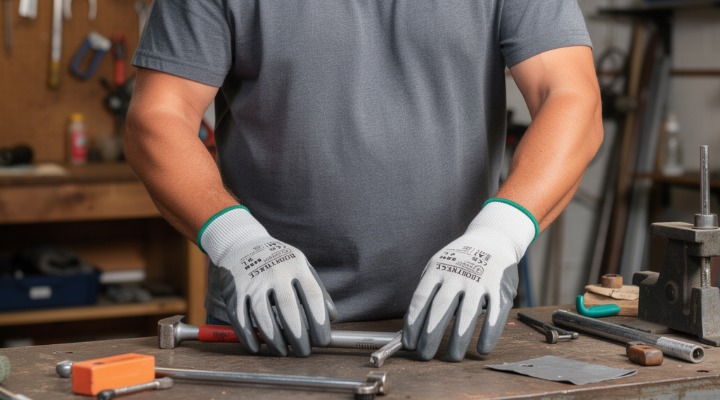
Manual labor is tough on your hands. You need protection from major cuts and abrasions, but you also require protection from the numerous micro-injuries that occur daily. Minor abrasions and blisters, as well as skin irritation from cardboard or chemicals, can slow down your work and, over time, contribute to long-term hand fatigue.
Quality gloves that are well-suited to your industry’s needs are the solution. At RX-Safety, we offer a wide selection of general handling gloves appropriate for dry, wet, and oily conditions.
Types of General Handling Gloves
Material handling gloves can be divided into three profiles:
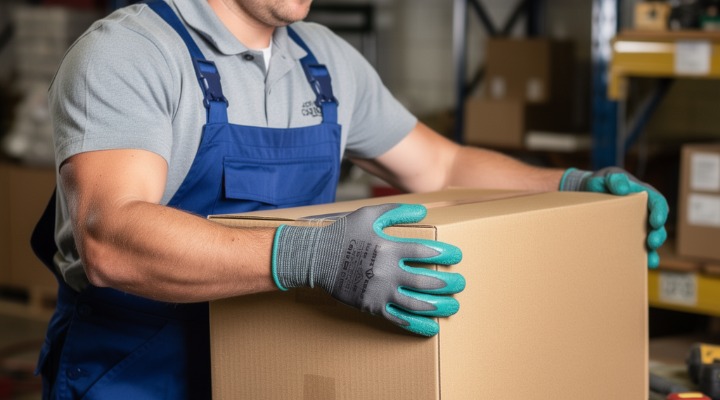
- Dry-handling gloves: These are ideal for delivery drivers and warehouse workers. They’re made of knit material that maximizes dexterity while still providing sufficient protection for handling packages or performing basic assembly tasks.
- Wet/food-handling gloves: These are made of liquid-resistant nitrile or latex and offer a good grip and a high level of hygiene. If you work in food service, look for gloves labeled as food-safe.
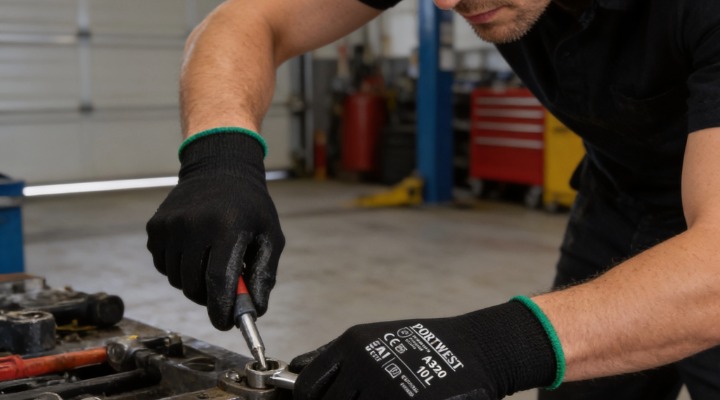
- Oily/petroleum-handling gloves: If you pump gas, fix cars, or work in other oily environments, look for heavy-duty, coated gloves. A thick coating prevents oil from saturating your gloves, which could affect your grip.
Find Your Perfect Gloves at RX-Safety
Not all general purpose gloves are created equal. For the best results, you need task-specific gloves designed to balance comfort, grip, and protection. At RX-Safety, we offer a wide selection of gloves that will keep you safe and comfortable throughout an eight-hour shift. Our tough, long-life gloves are an investment in safer, more comfortable work.
From the warehouse floor to the gas pump, find the grip and protection you need. Use our filters to narrow down your search by material and industry.
Matching the Coating to the Material
Choose a coating material that’s suitable for the kind of work you do. For package handling, a polyurethane (PU) coating is thin and offers ample tactile feedback. The slightly tacky coating also provides a firm grip on cardboard and other dry surfaces.
For food handling, a smooth nitrile glove coating is best. Nitrile is easy to sanitize and is liquid- and oil-resistant.
If you work with petroleum or heavy oils, we recommend a sandy or micro-foam nitrile coating. The textures on these coatings work like tire treads to displace liquid and ensure a tight grip on pipes or tools.
Choosing the right coating is key for safety, but it also reduces the effort required to grip objects and thus hand fatigue.
Abrasion Resistance and Glove Longevity
Handling tasks are the number one cause of glove blowouts, where the fingertips or palms wear through prematurely. To prevent blowouts, you need safety gloves that are up to the challenge.
At RX-Safety, we prioritize gloves with high ANSI abrasion ratings from level three to level six. Thanks to reinforced thumb saddles and high-density knits, these gloves offer long-lasting and versatile protection. They’re built to withstand thousands of abrasive cycles against cardboard, metal, or concrete.
Gloves with a higher abrasion rating may be a little more expensive, but they’re worth the investment. Instead of cycling through disposable gear and driving up costs, your team can focus on the job at hand.
Breathability for All-Day Wear
Gloves can’t protect your hands if they’re too uncomfortable to wear. The most common reason workers remove their gloves is that their hands get too hot. This is especially true for warehouse or delivery workers who are always on the move.
That’s why the gloves we sell at RX-Safety feature breathable back-of-hand technology. These gloves use nylon and polyester knits that allow heat to escape while still protecting the palm of the hand from abrasions.
The best way to ensure 100% glove-wearing compliance throughout eight-hour shifts is by providing workers with comfortable, easy-to-wear gloves.