






































Please ensure Javascript is enabled for purposes of website accessibility Insulated Gloves - Thermal Gloves - ANSI Certified - Rx Prescription Safety Glasses

Insulated Gloves

When you’re working in freezing temperatures, your blood vessels constrict to protect your core, significantly reducing blood flow to your hands and impairing nerve function. Initial pain gives way to numbness, which leads to stiffness, clumsiness, and a dramatic reduction in dexterity.

This is more than mere discomfort. When you rely on your hands to work, any impairment of your fine motor skills becomes a safety hazard, as it reduces grip strength and slows reaction time.

Prolonged exposure to severe cold can cause injury that becomes progressively worse the longer your hands remain unprotected. Frostnip (the first stage of frostbite) occurs as the top layers of skin freeze, and as the freezing deepens, your risk of permanent damage increases.

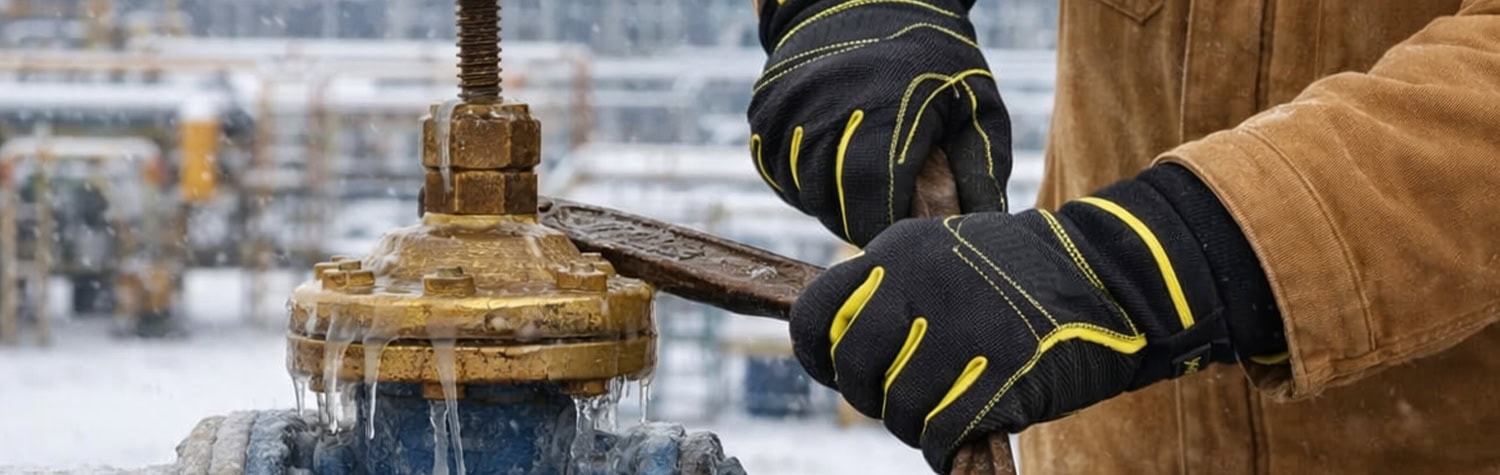
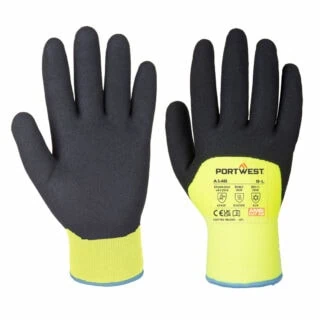
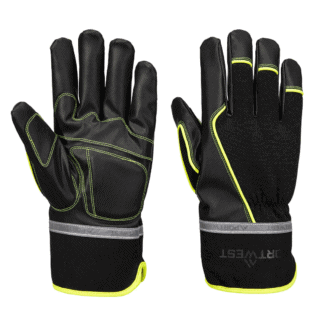
That’s why insulated are essential for anyone who spends time working in low temperatures, whether in cold storage, refrigerated logistics, or outdoor work. Thermal work gloves feature multiple layers, typically including a moisture-wicking liner, an insulating mid-layer, and a waterproof, windproof outer shell.

  • Lining layer: Made with materials like thermal acrylic, silk, Merino wool, or polyester, the liner keeps your hands dry and prevents freezing by wicking moisture away from your skin.
  • Insulating layer: This layer, consisting of high-performance synthetic insulations like Thinsulate™, PrimaLoft®, or heavy-duty fleece, traps body heat to keep your hands warm.
  • Outer layer: The glove’s shell protects your hands from external elements. It is often made from waterproof material, like leather, neoprene, or technical membranes like Hipora®, as well as windproof fabrics that prevent the wind chill from penetrating the inner layers.

Wearing these safety gloves protects you from frostbite and cold-induced hand fatigue. They allow you to stay productive even when the outside temperature is frigid and unforgiving.

Don’t let the cold shut down your job site. From freezer-rated protection to waterproof winter gear, find the insulated work gloves that keep you warm and capable. Shop our winter collection below.

Frequently Asked Questions

The gram weight represents the weight (in grams) of one square meter of the insulation material. The higher the number, the better the insulation is at trapping heat.

Insulated work gloves are available in both options. Our gloves are waterproof, meaning they’ve passed a 30-minute submersion test.

We offer several varieties of touchscreen-compatible cold protection gloves, allowing use with most mobile devices.

You can hand-wash insulated gloves in cold water with mild detergent or baby shampoo. Submerge the gloves, knead gently for five minutes, rinse thoroughly, and lay flat to air dry.

Although factors such as moisture, wind, activity level, and gram weight of insulation play into the equation, some insulated gloves are rated for temperatures as low as –30°F and below.

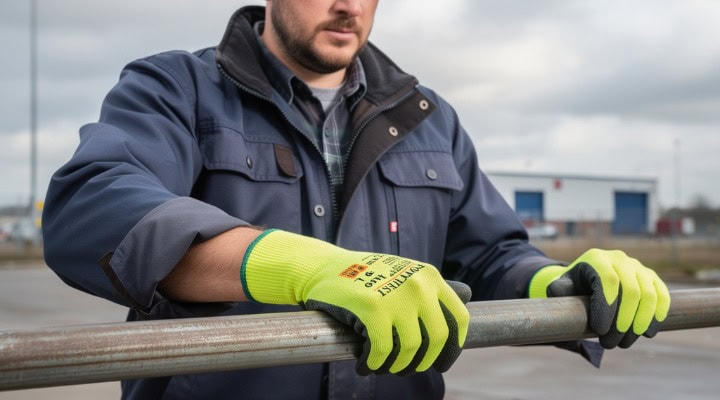
We offer several high-visibility, brightly colored insulated work glove options.

Fleece is a thick, fuzzy material that traps heat, while Thinsulate, developed by 3M, uses fine, dense synthetic fibers to provide superior warmth without adding bulk.

We recommend buying insulated gloves slightly larger, with about ¼-inch of space at the fingertips, to ensure proper insulation loft and maximum blood flow.

Category Highlights

Understanding Thermal Ratings (Clo and EN 511)

Winter work gloves are built for varying levels of cold. They use gram-weight synthetic insulation to provide thermal protection for your hands. Thermal insulation ratings for cold protection gloves vary depending on the manufacturer and usually range from 40–100g for moderate cold (above 20°F) to 200–400g and up for Arctic sub-zero temperatures (–30°F and below).

The EN 511 standard rates cold resistance with a three-digit number code based on convective cold (1–4 scale), contact cold (1–4 scale), and water penetration (0–1). Higher digits within this code mean better protection from cold for longer periods. For example, an EN 511 code of 2 3 1 means the glove provides moderate protection (2) from cold air or wind, high protection (3) from holding cold objects, and waterproof protection (1) based on passing a 30-minute water submersion test.

Another thermal insulation rating scale measures thermal resistance in clo. Some common insulation levels include:

  • C40 (0.7 clo): Good for high-activity tasks; protects against moderate cold
  • C100 (1.3 clo): Suitable for colder, moderate-activity, or longer, lower-activity use
  • C200 (2.5 clo): Ideal for extreme cold-weather conditions with minimal activity

These ratings should help you avoid over-insulating for high-activity work or under-insulating to perform stationary tasks in cold weather.

Blog

Insulated Gloves

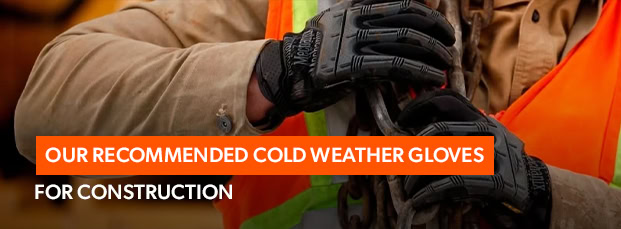
Stay Safe and Warm on the Job: Our Recommended Cold Weather Gloves for Construction

In the construction industry, safety is always a top priority. Workers are constantly exposed to hazards that can cause injuries or even fatalities. That’s why it’s essential to have the right safety equipment available at all times. This includes personal protective equipment (PPE) such as helmets, safety glasses, and gloves. Choosing the right cold-weather construction […]

READ MORE about Stay Safe and Warm on the Job: Our Recommended Cold Weather Gloves for Construction

How Should Work Gloves Fit

As RX-Safety continues to work hard to provide you with protective safety equipment, especially for your eyes, we’ve recently expanded our offering to include work gloves. These are some of the best work gloves that are perfect as winter work gloves and are typically waterproof. Yet how should work gloves fit? Are they supposed to […]

READ MORE about How Should Work Gloves Fit

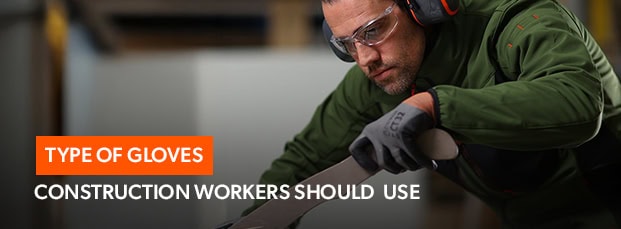
What type of gloves should construction workers use?

When using personal protective equipment or PPE at a workplace, it’s really about protecting workers from the potential hazards of the job site. Whether it’s radiological, chemical, or physical, having the PPE program to specifically protect against the combination of hazards is crucial. A PPE program should include what’s necessary on the worksite and when […]

READ MORE about What type of gloves should construction workers use?

Our Blog

Stay on top of the latest news about prescription safety glasses, eyewear, sunglasses, and all the trends in the industry.

DISCOVER NOW

Sign up for our Newsletter

Be the first one to know about promotion, new products, and more.