While the use of glass as a vision aid has been around since 1000AD, the first pair of wearable glass aids dates back to about 1284. These devices of convex-shaped glass surrounded by crude frames proved helpful in magnifying letters for the aged, and a new technology was born. The very term we use to this day, “eyeglasses,” derives from a simple description of the invention.
We’ve made a lot of progress in the industry in the last seven centuries, including the development of plastic and polycarbonate lenses, and glass lenses now account for less than 3% of the eyewear market. The main reason for this startling transition is that plastic lenses are much lighter than their glass counterparts. Glass lenses are also more prone to breakage during everyday use.
Despite this precipitous drop in popularly, glass hasn’t completely disappeared from the eyeglass industry, and the ages-old material continues to earn its keep. Glass allows for a higher index than plastic, so certain high-index prescriptions are not available in plastic form. Glass lenses feature far better scratch resistance than plastic lenses, and in terms of optics and clarity, glass cannot be beat.
Before deciding that plastic or polycarbonate is the only way to go, take a quick look at the various advantages and disadvantages of glass lenses.

Advantages
Superior optical quality.
Excellent scratch resistance, so much so that no scratch-resistant coating is required.
Available in a higher index than plastic.
Anti-reflective coatings adhere particularly well to glass lenses.
Is often less expensive than comparable plastics or polycarbonates.

Cleaner, less noticeable edge when used for bifocals or trifocals.
Naturally more resistant to chemicals.
Changes very little over time and will not yellow over the course of its lifespan.
Disadvantages
The Weight. Glass is at least twice as heavy as a comparable plastic or polycarbonate lens.
Less shatter- or chip-resistant than other material.
Requires a thick coat of tint and not available in all the color varieties of plastic.
Does not provide full UV protection without an additional coating.
Making the Right Choice for Your Vision
While glass eyeglass lenses are no longer the dominant choice in the eyewear market, they still offer distinct advantages that make them worth considering. Their superior optical clarity, excellent scratch resistance, and durability over time make them particularly appealing for individuals with specific vision needs or those seeking long-lasting performance. However, factors such as increased weight and lower impact resistance compared to modern materials like polycarbonate should be carefully weighed before making a decision.
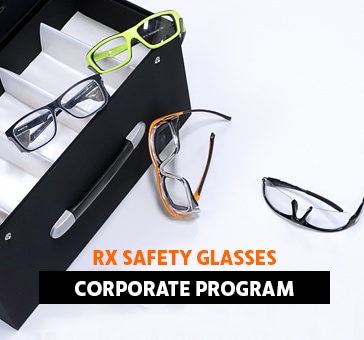
For those interested in purchasing glass eyeglass lenses, retailers like Rx Safety provide a reliable option. Rx Safety offers a wide range of prescription eyewear, including specialized lenses designed for both everyday use and safety applications. Their selection often includes customizable features such as coatings and lens types, allowing customers to tailor their glasses to their specific requirements. Additionally, their focus on quality and compliance with safety standards makes them a strong choice, especially for individuals who need protective or work-related eyewear.
Ultimately, the best place to buy glass eyeglass lenses depends on your priorities—whether that’s clarity, durability, cost, or safety. Exploring trusted providers like Rx Safety can help ensure you find lenses that meet both your visual and practical needs.
I sent in a frame, and had Rx Safety put glass lenses in it.
I actually like the added weight, and thickness, and the glass lenses seem to have more power. I see much more clearly with them, than with my CR 39 plastic ones with the same prescription.
But I don’t need prescription glasses, just want them to be glass lenses without any prescription augmentation, just normal glass lenses, is there an option for that?
So where do I buy them? I clicked on shop and is showing me EIGHT TO EIGHTY DENNIS, are those the ones that have glass lenses? Don’t want plastic lenses, thank you.
My first pair of glasses were glass lenses. They gave me the best vision, once I got used to their strength. All subsequent prescriptions have been plastic, and never have the sharpness of vision as with the glass. I also like the greater thickness of glass.
I sent in a frame, and had Rx Safety put glass lenses in it.
I actually like the added weight, and thickness, and the glass lenses seem to have more power. I see much more clearly with them, than with my CR 39 plastic ones with the same prescription.
Hi Dale,
We’re happy to know your glasses are working great for you.
But I don’t need prescription glasses, just want them to be glass lenses without any prescription augmentation, just normal glass lenses, is there an option for that?
Hi Tijuas,
You can purchase the glasses without prescription.
So where do I buy them? I clicked on shop and is showing me EIGHT TO EIGHTY DENNIS, are those the ones that have glass lenses? Don’t want plastic lenses, thank you.
Hi Leo,
You can select glass lenses type option when you purchase prescription lenses.
My first pair of glasses were glass lenses. They gave me the best vision, once I got used to their strength. All subsequent prescriptions have been plastic, and never have the sharpness of vision as with the glass. I also like the greater thickness of glass.