

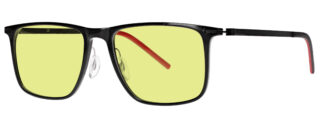
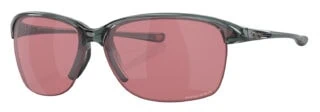
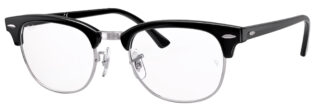
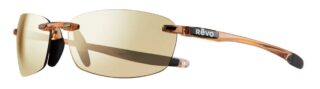
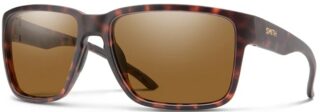



There are many reasons why someone might need glasses but most importantly – driving. Night driving can affect many aspects of vision including color recognition, peripheral vision, and depth perception.
You may have asked yourself, “How do you know if you need glasses for driving and is there a difference in the glasses?” Well, here are a few tips on the differences in driving glasses and how you might know if you need them.
One of the biggest issues drivers face is glare or reflections. This is especially prevalent at night and can cause temporary blindness on the road. Glare from overhead streetlights, digital billboards, or the high beams of oncoming cars makes it incredibly difficult to see the lines on the road. When your eyes struggle to focus through these light bursts, your vision becomes blurry, strained, and dangerously impaired.
In the daytime, a different type of glare causes problems. Harsh sunshine reflects off horizontal surfaces—like the hood of your car, the asphalt, or the rear window of the vehicle in front of you. This blinding, concentrated light can cause visual whiteouts, which lead to thousands of accidents a year by impairing a driver’s ability to see sudden brake lights or pedestrians.
The Takeaway: If you regularly squint, hold your breath, or feel your eyes straining against glare from any type of lighting while driving, it is a definitive indication that you need specialized driving eyewear.
Driving glasses generally fall into three distinct categories depending on your vision needs and the time of day you are on the road.
Prescription eyeglasses correct refractive errors like nearsightedness (myopia), farsightedness (hyperopia), and astigmatism to ensure you can read road signs from a safe distance. However, for driving, the magic lies in adding an anti-reflective (AR) coating.
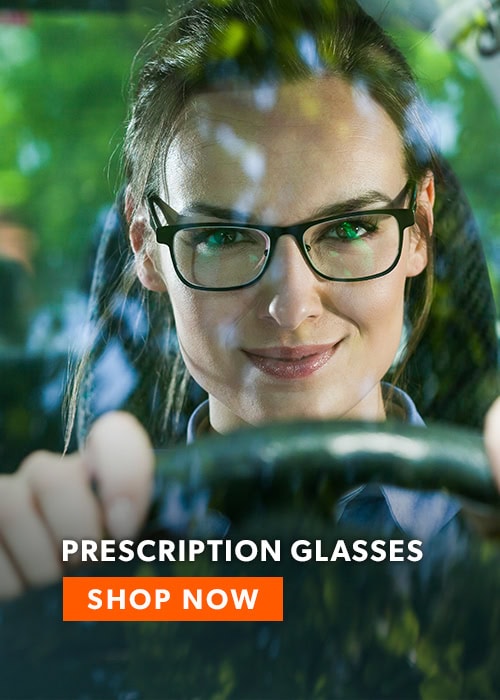

Daytime driving sunglasses are specifically engineered to combat the harsh, blinding effects of the sun. These are almost always high-quality polarized sunglasses.
Halo night driving glasses are a specialized category often featuring clear or very subtly tinted lenses paired with advanced, premium anti-reflective and wave-front coatings.

An eye doctor will ultimately diagnose your visual needs, but there are a few unmistakable hints that it’s time to book an appointment:
While these symptoms often mean you just need a simple pair of glasses, they can also be early indicators of underlying medical conditions like cataracts, macular degeneration, or astigmatism. This is why seeing an eye doctor is crucial to rule out serious issues. Furthermore, never wear polarized sunglasses or darkly tinted glasses at dusk or night, as reducing light in low-light conditions is incredibly dangerous.
Your safety on the road starts with clear vision. If you have noticed changes in how you see during your daily commute or night trips, don’t wait for a close call to take action.
If you would like more information on eyeglasses or specialized driving lenses, contact us today. Let’s make sure you see the road ahead with perfect clarity.
Stay on top of the latest news about prescription safety glasses, eyewear, sunglasses, and all the trends in the industry.
DISCOVER NOWBe the first one to know about promotion, new products, and more.
Follow Us On Instagram @rx_safety