


Each year, tens of thousands of workers suffer eye injuries on the job — most of which could have been prevented with proper eyewear. OSHA and ANSI have established strict requirements for impact resistance, splash protection, and coverage to prevent these injuries, but the standards vary by workplace and hazard type.
That’s why choosing between safety glasses vs. goggles and face shields requires more than guesswork. Learning the intricate differences between them will help you know which fits your needs best.
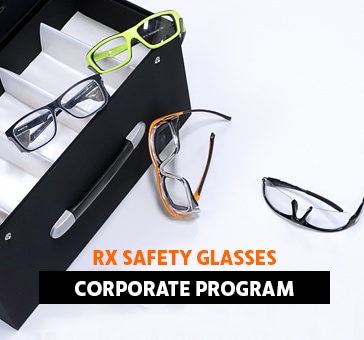
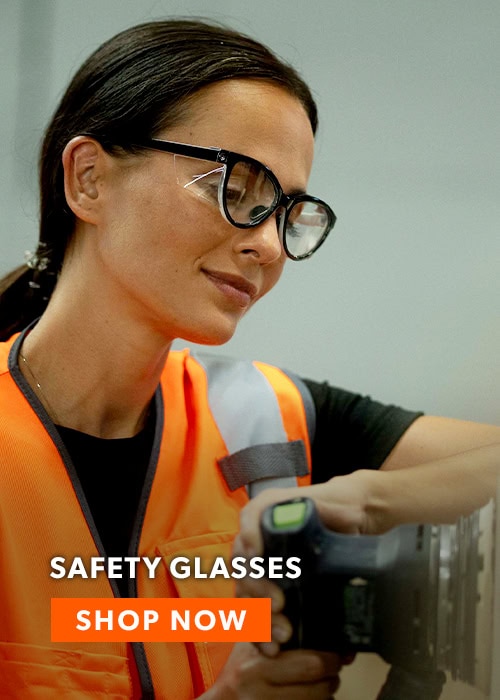
Safety glasses are the most common form of workplace eye protection. High-quality pairs feature impact-resistant lenses and durable frames. Many also have side shields to prevent debris from entering from multiple angles.
These are lightweight, comfortable, and designed to be worn all day. They may suit your needs if you need protection against:
Safety glasses are ideal for impact hazards, but they have one key limitation: they don’t provide a full seal. They aren’t the right choice if you need protection from liquid or chemical exposure. For those situations, you’ll want goggles instead.
If impact protection is what you need, you can explore RX-Safety’s safety glasses here. We offer prescription and non-prescription options that all meet or exceed the key ANSI Z87.1 standard for impact protection.
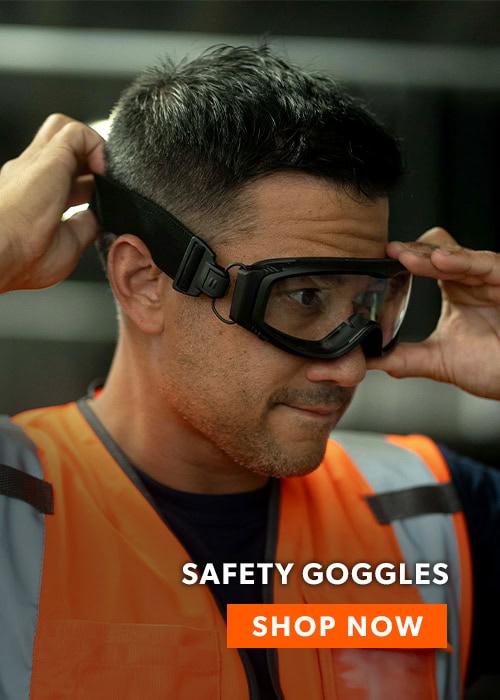
Goggles go one step further than safety glasses, providing a fully sealed barrier around the eyes. They can protect against everything safety glasses can, while also safeguarding you from liquid, airborne chemicals, and harsh dust. Most pairs today feature a soft vinyl or rubber frame that conforms to match your face.
Goggles may be right for you if you need protection during:
Because of their sealed design, goggles can feel warmer and trap more moisture than safety glasses. If you need to wear goggles for extended periods, look for vented options that allow airflow. You can explore RX-Safety’s range of goggles certified to meet ANSI Z87.1 standards here.
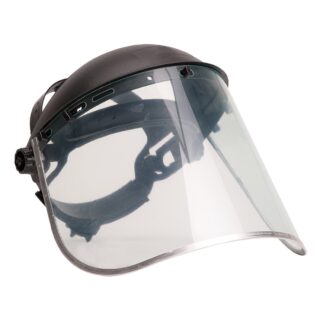
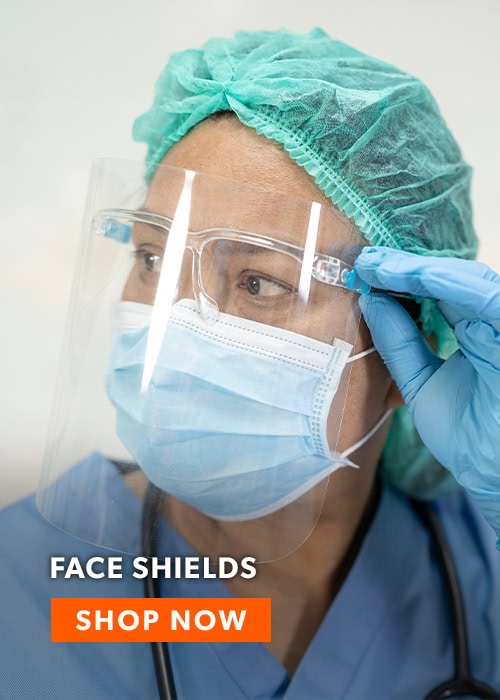
Safety glasses and goggles protect the eyes well in a wide variety of workplaces, but some jobs need even more protection. That’s where face shields come in. They protect the full face from more intense splashes, sparks, and flying debris.
Important: Face shields should always be worn with safety glasses or goggles underneath. The shield protects your full face, but doesn’t provide adequate eye protection on its own. This combination is essential during tasks like:
This comparison shows how to think about safety glasses vs. goggles when making your decision:
| Feature | Safety Glasses | Safety Goggles |
|---|---|---|
| Protection Level | Moderate | High |
| Coverage | Open sides (some shields available) | Fully sealed |
| Best For | Impact and debris | Chemicals and liquids |
| Ventilation | Excellent | Limited (varies by vent type) |
| Comfort | Lightweight and easy to wear all day | Feels warmer and more snug |
Ultimately, goggles with a face shield offer the highest level of protection for chemical processing. If you perform more grinding or cutting tasks, safety glasses with a face shield will often provide sufficient protection.
The right choice for you will depend on your environment, exposure risks, and comfort preferences. Regardless, make sure the pair you choose is ANSI-certified. You need this to keep your workplace compliant and to stay safe.
Given these comparisons, what kind of eye protection do you really need? The best way to figure it out is to ask yourself a few key questions:

What’s your primary hazard?
It may be impact, dust, chemical, or even heat.

Do you need a sealed barrier or ventilation?
This can influence whether goggles or safety glasses are right for you.

Will you wear your eye protection all day?
If so, safety glasses will likely be the most comfortable option.

Do you need prescription lenses?
This can impact the pair of glasses or goggles you choose, but RX-Safety offers both with prescription lens options.
For example, a lab technician or chemical handler will typically need sealed goggles with indirect vents. These protect the eyes from chemicals and liquids while offering enhanced ventilation for more comfortable long-term wearing.
Or, if you work as a carpenter, a pair of ANSI-certified safety glasses may be all you need. They’ll protect you from simple debris and are comfortable enough to keep on for most of the workday.
Finally, welders, grinders, and other similar professionals typically wear glasses or goggles under a full face shield. This offers more robust protection against the different forms of debris commonly found in these workplaces.
Ultimately, your choice between safety glasses and goggles will come down to the level of coverage you need, based on the types of hazards you face. If you need more protection than either can offer on its own, then pairing one with a face shield is your best option.
If you’re ready to explore ANSI-certified prescription safety glasses, goggles, and face shields, RX-Safety has you covered. Our wide selection of specialty-engineered products makes it easy to find the ideal protection for your job.
Explore our protection eyewear here.
Stay on top of the latest news about prescription safety glasses, eyewear, sunglasses, and all the trends in the industry.
DISCOVER NOWBe the first one to know about promotion, new products, and more.
Follow Us On Instagram @rx_safety